
How to Set Up a Tropical Fish Tank: Beginner's Guide
Learn how to successfully set up a tropical fish tank in the UAE, from tank selection to cycling and maintenance for a thriving aquatic environment.
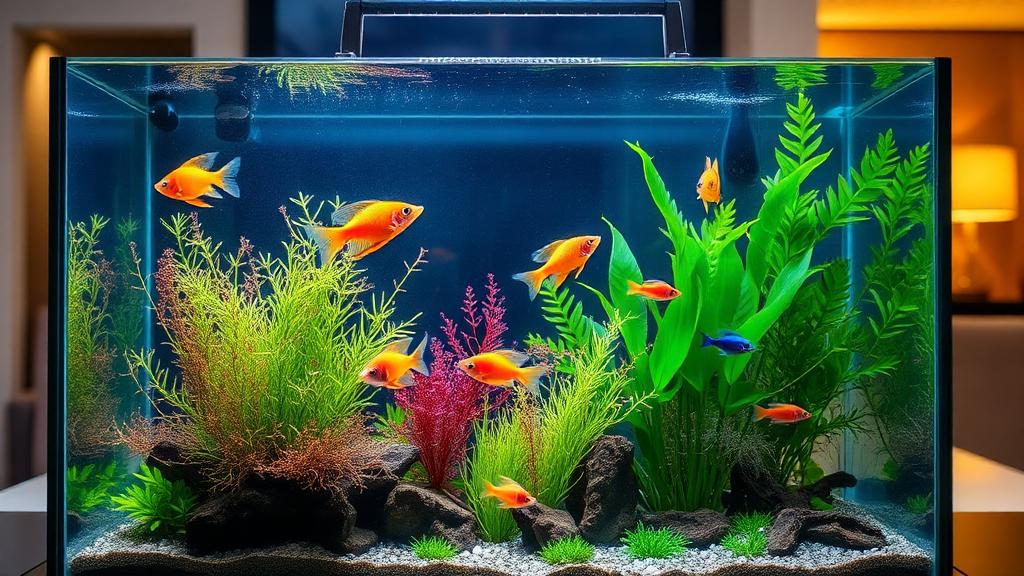
Introduction
Setting up a tropical fish tank requires careful planning, especially in the UAE, where air conditioning can affect water temperature. Here's a quick overview to get started:
- Tank Size: Larger tanks (50–100 litres) are easier for beginners. A 60-litre tank is a good starting point.
- Equipment: You'll need a reliable filter, submersible heater, LED lighting, thermometer, and water testing kits.
- Water Preparation: Use a water conditioner to treat tap water and avoid harmful chlorine or chloramine.
- Cycling the Tank: Establish the nitrogen cycle before adding fish. This process takes 4–6 weeks.
- Fish Selection: Hardy species like guppies, mollies, and tetras are ideal for beginners.
- Budget: Initial setup in the UAE costs AED 735–1,100+, depending on tank size and equipment quality.
- Maintenance: Perform regular water changes (15–25% weekly) and monitor water parameters for ammonia, nitrite, and nitrate levels.
Key Takeaway
Patience is key - rushing the process can harm your fish. Follow these steps for a healthy, thriving aquarium.
Tank Size and Material Selection
Getting the right tank size is a crucial first step in setting up a tropical fish tank. If you're new to the hobby, starting with a larger tank is often the better choice. Why? Larger tanks provide more stable water conditions and are more forgiving of small mistakes. Experts suggest a minimum size of 80 litres, with 120 litres being an ideal starting point. The larger the tank, the easier it is to maintain consistent water conditions.
When it comes to materials, glass tanks are a popular pick for beginners. They're affordable, scratch-resistant, and maintain their clarity over time, unlike acrylic tanks, which may yellow. Keep in mind, a filled tank weighs about 1 kg per litre, so ensure your stand can handle the total weight.
The shape of your tank also matters. A longer, wider tank is better than a taller, narrower one. This design offers more swimming space, improves oxygen exchange at the surface, and provides flexibility for arranging decorations and equipment. Tanks smaller than 40 litres should be avoided, as they can become unstable quickly.
Required Equipment for Tropical Fish Tanks
A tropical fish tank needs several key pieces of equipment to function properly. Start with a power filter equipped with a bio-wheel. It should cycle the entire tank volume at least four times an hour. For beginners, hang-on-back or internal filters are easier to manage than canister filters, which can be more complex.
Maintaining a stable water temperature is essential, especially in air-conditioned environments. Most tropical fish thrive in water temperatures between 23°C and 25°C. A submersible heater is the best option, with a general rule of 5 watts per gallon for smaller tanks and 3 watts per gallon for larger ones.
For lighting, modern LED systems are a great choice - they're energy-efficient and long-lasting. A digital thermometer will help you monitor the water temperature accurately, while water testing kits are indispensable for tracking ammonia, nitrite, and pH levels, particularly during the initial cycling phase. Don't forget a secure hood or lid to prevent fish from jumping out, reduce evaporation, and protect your equipment.
Once you have the essentials in place, it's time to think about substrates and decorations that align with both your tank's functionality and your aesthetic preferences.
Substrate and Decoration Options
The substrate in your aquarium does more than look good - it plays a role in water quality and supports plant growth. It also provides a home for beneficial bacteria, which are vital for a healthy tank ecosystem.
Gravel is a beginner-friendly option. It's stable, supports plant roots, and encourages bacterial growth. Use about 120 grams of gravel per litre of water and opt for a particle size between 2 and 5 mm. This size prevents food from getting trapped and allows for adequate water flow.
Sand is another option, offering a natural look that works well for bottom-dwelling fish. However, it can compact over time, so occasional stirring is necessary to avoid dead spots.
| Substrate Type | Advantages | Considerations |
|---|---|---|
| Gravel | Stable base for plants; encourages bacterial growth | Ensure particle size is safe for fish |
| Sand | Natural appearance; good for bottom-dwellers | Can compact; requires occasional stirring |
| Plant Substrate | Nutrient-rich; promotes plant growth | May need extra fertilisation |
Decoration Tips
Decorations can enhance your tank's visual appeal while also creating hiding spots for your fish. Live plants are a fantastic choice - they absorb nitrates and improve water quality. If you prefer artificial plants, mix different heights, shapes, and colours to mimic a natural environment.
Driftwood and aquarium-safe rocks can add a touch of natural beauty, but choose carefully. Some materials, like limestone, can alter water chemistry by raising the pH. Always rinse decorations thoroughly before adding them to the tank to remove dust or contaminants.
When arranging decorations, aim to balance open swimming areas with plenty of hiding spots. This setup encourages natural fish behaviour, helps them display vibrant colours, and provides additional surfaces for beneficial bacteria, which aid in biological filtration.
Cleaning and Assembling Your Tank
Before you add water or fish, give your tank a thorough cleaning. Use only clean water - avoid soap, detergents, or household cleaners, as even tiny traces of these can harm your fish. Soap residue, in particular, can upset the delicate balance of your tank's ecosystem.
Rinse your substrate thoroughly until the water runs clear. This step is essential to remove dust and debris that could cloud your tank water later. For gravel, place it in a bucket, run water through it, and stir with your hands. You may need to repeat this process several times, especially if the gravel is brand-new and dusty.
Decorations and equipment also need a rinse with plain water. If you're using natural rocks, scrub them with a clean brush to remove dirt or algae.
Set your tank on its stand before filling it with water. Remember, a filled 120-litre tank weighs about 120 kg, making it almost impossible to move safely once full. Ensure the stand is level and sturdy enough to handle the weight, as an uneven or weak stand could stress the glass and lead to cracks.
Adding and Treating Water
Tap water isn't ready for fish straight from the faucet. Most municipal water supplies contain chlorine or chloramine, both of which are harmful to fish. To make it safe, use a water conditioner. These products break the bond between chlorine and ammonia (if chloramine is present) and remove both toxins. A popular option is Seachem Prime, which effectively treats chlorine, chloramine, and ammonia.
Follow the instructions on your water conditioner carefully. Although most conditioners work instantly, it's a good idea to mix the treated water thoroughly before adding it to your tank.
When filling your tank, do it slowly to avoid disturbing the substrate. A simple trick is to pour water over a clean plate placed on the substrate - this prevents craters from forming in the gravel or sand. Initially, fill the tank to about 80% capacity; this leaves room for decorations and equipment installation.
If you're thinking about using bottled water, skip distilled water - it lacks essential minerals. Spring water might work, but since pH levels can vary between brands, test the water's parameters before using it.
Once your water is treated, you can move on to installing equipment and decorations.
Installing Equipment and Decorations
Begin by adding your substrate and decorations before setting up any electrical equipment. Arrange the substrate to slope gently from the back of the tank to the front. This layout helps debris collect in areas that are easier to clean. Start with larger decorations like rocks and driftwood, then add plants and smaller items. This setup creates hiding spots and swimming areas, helping your fish feel secure and behave naturally.
Place your heater near the filter intake or in a spot with good water circulation. Submersible heaters are ideal - position them at an angle rather than vertically to ensure even heat distribution and reduce frequent cycling. If you're using a hang-on-back filter, mount it with water at the minimum mark and pre-fill it with tank water to avoid dry runs.
Install lighting and position a digital thermometer away from the heater for accurate temperature readings.
Test all equipment before moving forward. The filter should create gentle water movement without producing strong currents that could stress your fish. The heater should maintain a steady temperature between 23°C and 25°C, while the lighting should evenly illuminate the tank.
Allow the system to run for 24 hours before introducing fish. This waiting period ensures all equipment is functioning properly and gives you time to address any issues. With everything in place, your tank is ready for the cycling process.
Beginners First Aquarium - How to Set up Your First Fish Tank
Starting the Nitrogen Cycle
The nitrogen cycle is the backbone of a healthy aquarium. It's a natural process that transforms harmful ammonia - produced by fish waste, uneaten food, and decaying matter - into less toxic substances like nitrite and nitrate. Without this cycle, ammonia can quickly build up and harm or even kill your fish.
"The nitrogen cycle is important because it protects fish from harmful waste. The cycle breaks down the waste and bacteria into nonharmful substances, and it could be the key to keeping your fish alive." – Living Art Aquatics
How It Works
Here's how it works: ammonia is converted to nitrite, nitrite is then converted to nitrate, and finally, nitrate can either be absorbed by plants or released as nitrogen gas. Beneficial bacteria play a key role in these conversions, consuming the toxic ammonia and nitrite along the way.
Speed Up Cycling
Starting the nitrogen cycle requires patience. It can take anywhere from three to eight weeks for nitrifying bacteria to establish themselves, especially at temperatures between 24–27°C. To speed things up, you can add live nitrifying bacteria, use filter media from an already-established tank, or introduce live plants. A bacteria starter can also help jumpstart the process by seeding your tank with the necessary microorganisms.
If you prefer a fishless cycle, you can add a small dose of liquid ammonia to simulate waste and encourage bacterial growth. While this method may take weeks or even months, it eliminates the risk of harming fish during the cycling process and sets the stage for long-term success.
Testing Water Parameters
Once the cycle begins, it's essential to monitor its progress by testing your water regularly. Test your water every 3–4 days during the cycling phase to track ammonia, nitrite, and nitrate levels. Poor water quality is one of the most common reasons for fish deaths, so consistent testing is non-negotiable. Test kits are the most reliable way to determine whether your tank is safe for fish. If ammonia or nitrite levels spike, perform a 30% partial water change immediately to protect your aquatic life.
Key water parameters to keep an eye on include:
- pH: Aim for a range of 6.5–8.0, depending on the species of freshwater fish.
- General Hardness (GH): Ideally between 4–8 dGH (70–140 ppm).
- Carbonate Hardness (KH): At least 3 dKH (around 50 ppm) to maintain pH stability.
Testing Tips
Liquid test kits are more accurate than test strips, though strips may be easier for beginners. Keeping a log of your test results can help you spot trends and address potential issues early. Once your tank is fully cycled, you'll see 0 ppm ammonia, 0 ppm nitrites, and some detectable nitrates. After that, you can scale back testing to every 2–4 weeks, focusing on nitrate levels, which should stay at 50 ppm or below. For tanks with live plants, aim for nitrate levels between 25–50 ppm to support plant growth.
Regular Tank Maintenance
Keeping your tank's water quality stable requires regular maintenance. Routine care ensures the nitrogen cycle remains balanced and your fish stay healthy. Perform partial water changes of 15–25% every 1–2 weeks using treated water to remove excess nitrates and replenish essential minerals. During water changes, use a gravel vacuum to clean debris from the substrate, and always treat new water with a dechlorinator to neutralise harmful chemicals.
To support beneficial bacteria, consider adding a bacteria starter during water changes or when introducing new fish. Live plants can also help by absorbing nitrates, which may reduce how often you need to change the water.
When cleaning your filter, rinse the media in tank water to preserve the bacteria colonies. Replace filter cartridges as recommended by the manufacturer, but avoid replacing all components at once to prevent disrupting the nitrogen cycle. If your fish appear unwell, your plants look unhealthy, or you notice unusual water conditions, test the water immediately. Overcrowding and waste buildup are common causes of water quality issues, so address any problems promptly to protect your tank's inhabitants.
Easy-Care Tropical Fish Species
Once your tank is properly cycled and your water parameters are stable, it's time to introduce your first aquatic residents. Picking the right fish species is key to creating a healthy, thriving aquarium. The wrong choices can lead to stressed or sick fish, which can quickly derail your efforts.
For beginners, the ideal fish are hardy, peaceful, and able to handle slight changes in water quality. Guppies and mollies are popular livebearers known for their bright colours and resilience. Other livebearers, like platies and swordtails, also thrive in similar conditions, making them great options.
Schooling fish are another excellent choice. Neon tetras and cardinal tetras are small, calm, and easy to care for. If you're looking for something with a bit of shimmer, Congo tetras can bring a golden glow to your tank and adapt well to pelleted food.
For variety, consider bottom-dwelling species. Panda Corys are natural foragers that help keep your tank substrate clean, while the eel-like Kuhli Loaches are most active during early morning and evening hours, adding a unique dynamic to your aquarium.
Looking to add a splash of colour? Boesemani Rainbowfish are a vibrant choice, while Bristlenose Plecos not only control algae but are also a manageable size for most tanks. Harlequin Rasboras thrive in community setups, and Mickey Mouse Platys are forgiving of common beginner mistakes, making them a favourite among new aquarists.
"Many fish species are recommended for new aquarists setting up an aquarium. The fish listed here generally get along well with others and can tolerate a range of water quality parameters." – Jessie Sanders, DVM, DABVP (Fish Practice)
Adding Fish to Your Tank Safely
Once you've selected your fish, it's crucial to introduce them to their new home carefully. Sudden changes in their environment can cause stress or even illness. For example, a shift of just 1.0 in pH can be lethal. During transport, the water in the fish bag often experiences a pH drop and an ammonia spike, so gradual acclimation is essential.
Start by floating the sealed bag in your tank for about 20 minutes to equalise the temperature. Then, slowly mix small amounts of tank water into the bag every few minutes. For sensitive species, the drip method is a safer option. Place the fish and bag water into a clean bucket, and use airline tubing to gradually add tank water over 30–60 minutes.
To minimise stress, turn off your aquarium lights during the introduction. Always handle fish with clean hands and use a net to transfer them into the tank. Never pour bag water into your aquarium, as it may contain pathogens. To further protect your tank, quarantine new fish for at least two weeks before adding them to your main setup. This helps prevent the spread of diseases.
Introduce fish in small groups to allow your biofilter time to adjust to the increased bioload. Keep a close eye on your new arrivals for signs of stress, such as colour changes, rapid breathing, or unusual behaviour.
Finally, maintain stable water conditions during this process. Research each species to understand their specific needs, including water quality and diet. Make sure your tank is large enough to accommodate the fish at their adult size, and ensure your filtration system can handle the additional bioload. By taking these steps, you'll create a safe and welcoming environment for your new aquatic friends.
Aquarium Supplies from The Pets Club
For aquarium enthusiasts in the UAE, The Pets Club offers a variety of products tailored to local needs, with free shipping on orders over AED 100. Here's a closer look at some of their offerings:
💡 Lighting Options
Proper lighting is essential for your tank's health. The Hygger Submersible Aquarium LED Light is priced between AED 65.00 and AED 120.00 (including VAT), while the Roxin Aquarium LED Light provides a more affordable alternative, ranging from AED 37.00 to AED 87.00 (including VAT). If you're looking for a combined solution, the Hygger Aquarium Light and Filter 2 in 1 is available for AED 104.00 (including VAT), offering both illumination and filtration.
🔄 Filtration Systems
For smaller tanks, the Hygger Mini Sponge Filter (AED 17.60, including VAT) is a great choice for biological filtration. Larger tanks may require more advanced systems. Additionally, the Hygger Mist Maker (AED 44.00, including VAT) is a useful tool for maintaining humidity levels within the tank.
🪑 Tank Stands and Accessories
Stability is key, especially in the UAE's climate. The Week Aqua L Stand X 2 Numbers (AED 150.00, including VAT) ensures your tank stays secure, while the Week Aqua P600 PRO Shade (AED 75.00, including VAT) helps shield your aquarium from direct sunlight.
Shop Aquarium Essentials
Beyond these products, The Pets Club also offers maintenance services and expert advice to help you navigate the unique challenges of keeping an aquarium in the UAE.
UAE Standards and Measurements
When setting up your aquarium, it's important to account for specific UAE conditions:
🌡️ Temperature Control
Tropical fish thrive in water temperatures between 24°C and 28°C. While cooling systems might be necessary during the scorching summer months, homes with air conditioning may require heaters to maintain stable temperatures.
💡 Lighting Considerations
Choose lighting with a Kelvin rating between 5,500 and 6,000 for freshwater tropical tanks, as this closely mimics natural sunlight. LED lights are a great choice for the UAE due to their energy efficiency and minimal heat output.
💧 Water Quality
Water conditions can vary across the emirates. Test your tap water for pH, hardness, and chlorine levels before use. Some tropical fish species prefer harder water, while others may need softened water for optimal health.
🔄 Filtration and Tank Size
Warm water holds less oxygen, so your filtration system should be capable of handling the increased biological load. Opting for a larger tank can also help maintain stable water conditions, which is crucial in the UAE's fluctuating climate.
Tank Placement
Location matters. Avoid placing your aquarium near windows, as direct sunlight can cause temperature spikes and promote algae growth. Similarly, keep the tank away from air conditioning vents to prevent sudden temperature changes.
Conclusion: Creating a Healthy Tropical Fish Tank
Setting up a tropical fish tank requires thoughtful planning and consistent care. Each aspect of the setup plays a role in creating a balanced and thriving environment for your fish.
Choosing the right equipment is key to avoiding common issues. A reliable filtration system, proper lighting, and a suitable substrate work together to control algae, maintain water quality, and keep your fish stress-free. However, even the best equipment needs regular upkeep to stay effective.
Weekly water changes, filter cleaning, and water quality testing are essential to prevent waste buildup and keep your fish healthy.
Before introducing fish, let your tank complete its cycling process. Quarantine new additions and avoid overcrowding to protect your existing fish and prevent overloading your filtration system.
Provide your fish with a varied, nutrient-rich diet and use a lighting timer to replicate natural day and night cycles. These straightforward steps go a long way in ensuring your fish thrive and your aquarium remains a balanced, vibrant ecosystem.
FAQs
Shop Related Products
Browse our curated selection of pet products recommended by our team.
Visit StoreNever Miss a Post
Join thousands of pet lovers. Get the latest articles, tips, and product reviews delivered straight to your inbox.
Related Articles

Setting Up Your First Aquarium: A Complete Guide
From choosing the right tank to cycling the water, here's everything you need to start your fishkeeping journey.

Caring for Pet Birds: What New Owners Should Know
Birds are intelligent and social creatures that require specialized care. Here's what you need to know before bringing one home.